

Rieter Card C 81 is helping textile manufacturers achieve higher productivity and consistent sliver quality through advanced carding technology and intelligent automation. At Sportking Ltd. in India, the latest C 81 installation delivered a 43% production increase while reducing yarn imperfections and improving operational efficiency with Carding Gap Control (CGC).
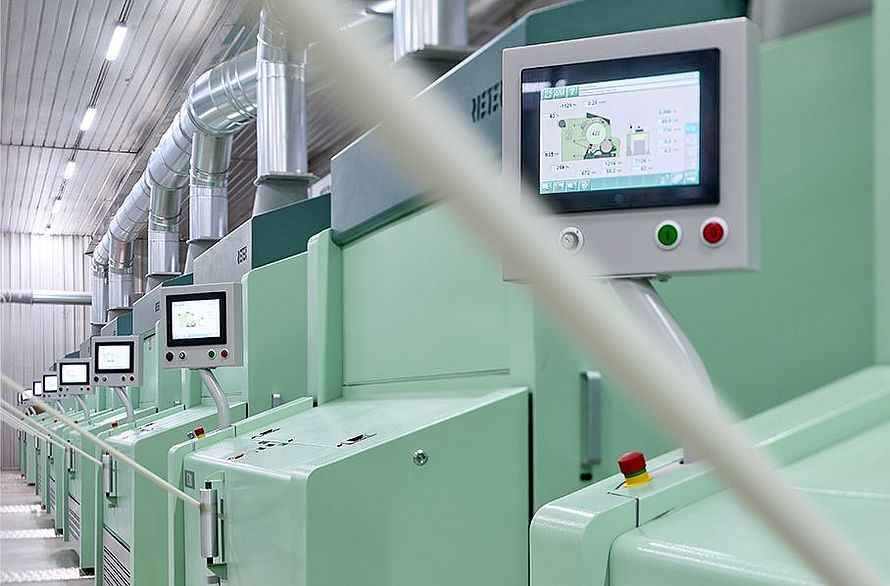
Sportking Ltd., a long‑established textile manufacturer in India, operates 380 000 spindles with fully integrated operations across spinning, knitting, processing, and garmenting. To secure business continuity and sustain strategic long‑term growth, Sportking has consistently relied on an evolving carding platform in partnership with Rieter. Their upcoming expansion of 150 000 spindles is also planned as a complete turnkey project with Rieter cards C 81 and VARIOline blowroom systems, reinforcing their trust in Rieter’s end‑to‑end expertise.
Flexible Card with High Output Needed
As Sportking’s spinning capacity increased, the core challenge was to enhance output while maintaining stable operations and consistent sliver quality. They required a carding solution that could efficiently integrate into a phased expansion model and perform reliably across diverse raw‑material blends and dynamic production requirements.
A Carding Roadmap Built on Continuous Innovation
Rieter demonstrated a long‑term carding strategy built on successive generations of Rieter cards. Starting from card C 60 and progressing through C 70, C 72, and now the latest C 81, Sportking has chosen Rieter for every expansion since 2006 – aligning their carding department’s growth step by step with Rieter innovations.
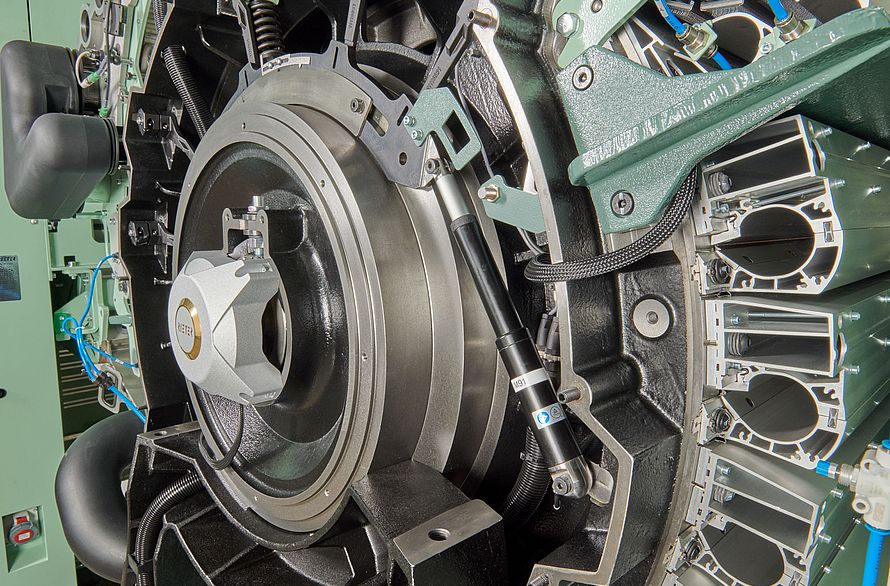
This roadmap allowed Sportking to introduce each new card generation alongside existing installations, achieving higher productivity per machine while retaining familiar operating concepts and process stability. The latest card C 81, designed with the maximum technological carding area with 40 active flats controlled by Carding Gap Control (CGC) and highest cylinder‑circumference utilization, delivers superior fiber treatment, enhanced sliver quality, and exceptional operational performance.
43% Production Increase
The latest generation card C 81 installation delivered a remarkable 43% production increase, all while maintaining excellent and stable sliver quality. For the widely used combed ring yarn Ne 30, the high‑performance card achieved 110 kg/h and reduced yarn imperfections by 27%. This high machine productivity means fewer cards are needed for the same output – reducing energy consumption, lowering maintenance requirements, and contributing to an overall more efficient mill layout. The C 81, equipped with Carding Gap Control, represents Rieter’s latest advancement in intelligent carding technology. CGC uses state‑of‑the‑art acoustic sensor technology and an intelligent data model to proactively and automatically maintain the optimal carding gap. At Sportking, this has resulted in consistent nep count without any manual intervention, even when the wire life has reached 700+ tons.
 “We are impressed by the excellent performance of the C 81. It has it all: outstanding productivity, consistently high quality, and smart features like the self‑adjusting carding gap, which makes it our first choice in carding. This will take us one step forward in the market in terms of both quality and productivity.” says, Munish Avasthi, Sportking Chairman and Managing Director.
FAQ
What is the Rieter Card C 81?
The Rieter Card C 81 is a high-performance textile carding machine designed to improve productivity, sliver quality and operational efficiency in spinning mills.
What is Carding Gap Control (CGC)?
CGC is an intelligent automation technology that automatically maintains the optimal carding gap using acoustic sensors and data-driven monitoring.
How much production improvement did Sportking achieve?
Sportking achieved a 43% production increase using the Rieter Card C 81 while maintaining stable sliver quality.
Why is sliver quality important in spinning?
High sliver quality helps reduce yarn imperfections, improves yarn strength and ensures better textile manufacturing consistency.
What are the benefits of automated carding systems?
Automated carding systems reduce manual intervention, improve energy efficiency, lower maintenance needs and increase machine productivity.
Discover: Rieter Completes Barmag acquisition