

Women play a critical role in global agriculture, yet they often face unequal access to land, resources, and economic opportunities. On International Women’s Day 2026, the initiative Cotton made in Africa is highlighting how targeted investments and community programs are helping strengthen equality for women in African cotton farming/growing regions.
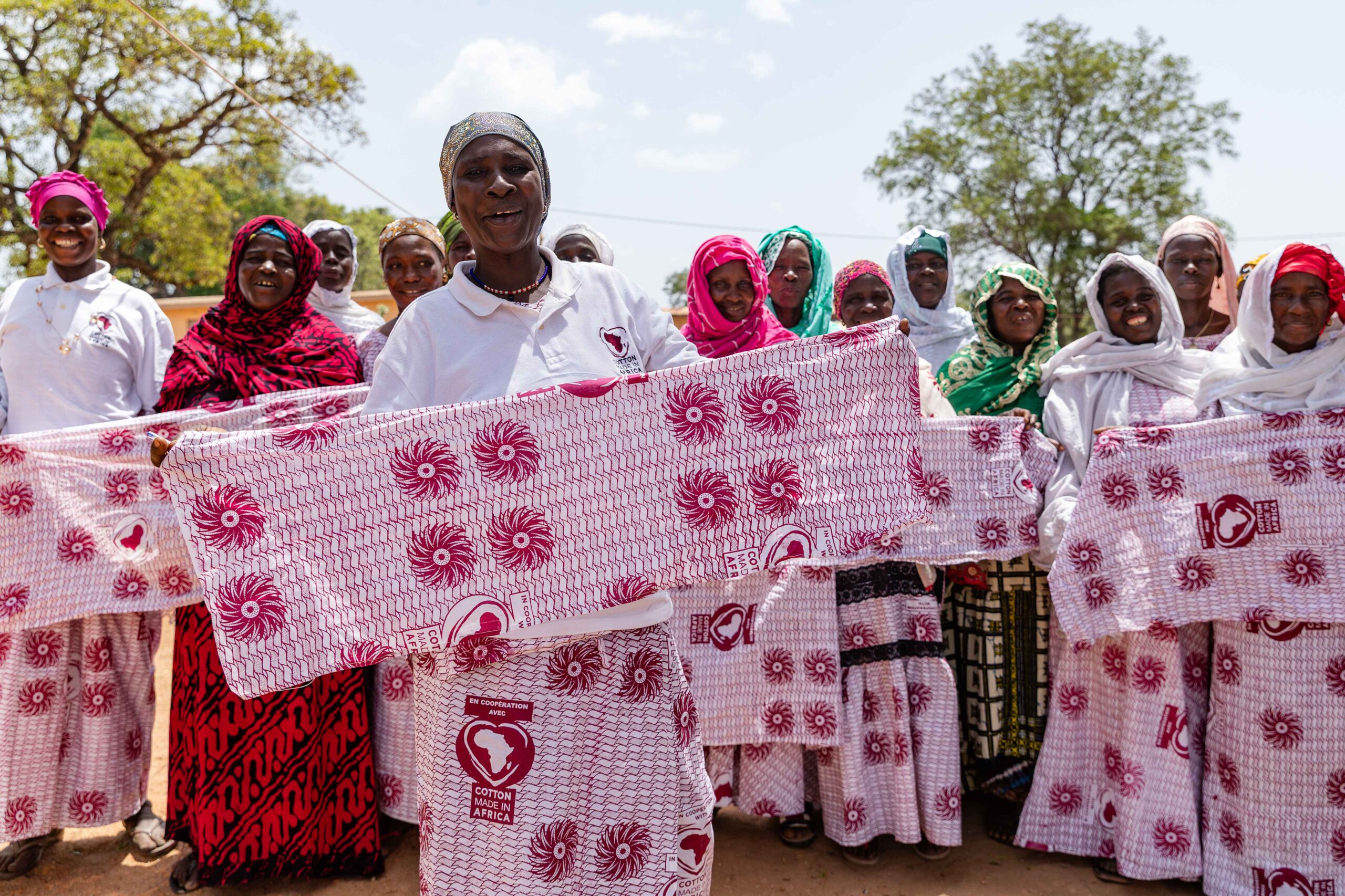
This year’s International Women’s Day theme — “Rights. Justice. Action. For ALL Women and Girls” — underscores the need for practical steps that empower women economically and socially.
Women’s Role in Global Agriculture
According to the Food and Agriculture Organization, women account for around 38% of the global agricultural workforce, yet less than 15% of women own land.
This imbalance often limits women’s access to financing, farming inputs, and decision-making roles in rural communities. Experts say addressing these structural barriers is essential for improving food security and strengthening rural economies.
The FAO estimates that empowering women farmers could increase incomes for 58 million people and improve the resilience of 235 million individuals worldwide.
Cotton Made in Africa’s Commitment to Women in African Cotton Farming
The program Cotton made in Africa, operated by the Aid by Trade Foundation, has made gender equality a key part of its sustainability strategy in African cotton farming communities.
Equality principles are embedded in the initiative’s production standards, ensuring women have equal access to training, resources, and participation in decision-making processes.
Through these measures, the program aims to improve livelihoods while promoting more resilient agricultural systems.
 “Commitment to fundamentally improving women’s economic and social position is part of Cotton made in Africa’s mission statement,” says Alexandra Perschau, Head of Standards & Outreach at the Aid by Trade Foundation.
She emphasizes that ensuring equal access to income opportunities and farming resources is essential for securing the future of cotton cultivation.
Supporting Women Through Business and Community Programs
Beyond cotton farming practices, the initiative supports a range of community development projects designed specifically to empower women.
Through the CmiA Community Cooperation Programme (CCCP), women’s groups receive funding and training to launch small businesses that provide additional income streams alongside cotton farming.
These programs aim to strengthen financial independence while diversifying household income.
In another example, rural communities participate in educational activities addressing issues such as women’s health and social awareness. Creative approaches, including community theatre and storytelling, help break taboos and encourage open discussions about health and well-being.
So far, more than 100 women’s clubs and targeted projects have been supported through the program.
Strengthening Rural Economies
Empowering women in agriculture can have wide-ranging economic benefits. Studies show that when women gain better access to resources, farm productivity increases and household incomes rise.
Programs that promote gender equality also contribute to stronger community resilience — particularly in regions where smallholder farming is a primary source of income.
By supporting women’s participation in cotton farming and related economic activities, initiatives like Cotton made in Africa aim to create long-term sustainable development in rural Africa.
About Cotton Made in Africa
Founded in 2005 by the Aid by Trade Foundation, Cotton made in Africa (CmiA) is one of the world’s leading standards for sustainably verified cotton from Africa.
The initiative connects African smallholder farmers with international textile companies and fashion brands across the global value chain. Its core goal is to improve living conditions for farmers and their families while protecting the environment.
In addition to supporting cotton farmers, the program benefits workers in cotton ginneries and promotes projects related to education, health, environmental protection, and women’s empowerment.
About the Aid by Trade Foundation
The Aid by Trade Foundation is an internationally recognized non-profit organization founded by entrepreneur Michael Otto in 2005. The foundation works to promote sustainable raw materials and improve livelihoods across agricultural supply chains.
Its sustainability standards include Cotton made in Africa®, CmiA Organic, the Regenerative Cotton Standard®, and The Good Cashmere Standard®.
These initiatives aim to help farmers and textile companies address growing challenges such as climate change, market volatility, and sustainability requirements.
FAQ Section
Why is women’s empowerment important in agriculture?
Empowering women in agriculture improves farm productivity, strengthens rural economies, and increases household income and food security.
What is Cotton made in Africa?
Cotton made in Africa is a sustainability standard connecting African smallholder cotton farmers with global textile companies while promoting environmentally and socially responsible production.
How does Cotton made in Africa support women in African cotton farming?
The program provides women with access to training, funding for startups, business development support, and health awareness initiatives within rural communities.
How many women work in agriculture globally?
According to the Food and Agriculture Organization, women account for about 38% of global agricultural labor, yet fewer than 15% own land.