

Germany is moving to build a new technology-driven textile ecosystem through the Textile Factory 7.0 initiative. The project aims to integrate energy efficiency, artificial intelligence, robotics, and biotechnology into modern textile production.
The initiative is led by Institut für Textiltechnik (ITA) at RWTH Aachen University with funding approval from the German Federal Ministry of Research, Technology, and Space. The facility will be established in Mönchengladbach.
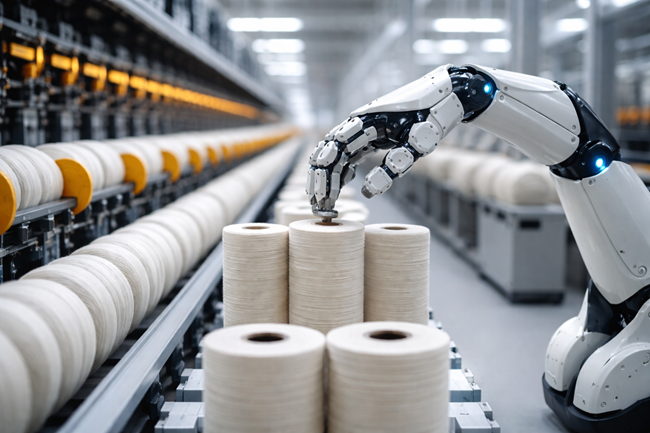
The centre will function as a real production environment where companies and researchers test technologies together. It will focus on AI-driven automation, robotics integration, digital production systems, and biotechnology-based materials. The aim is to improve productivity, reduce emissions, and optimise energy use.
Germany’s textile sector is repositioning toward high-value and technology-intensive manufacturing. Europe is investing in advanced production to reduce supply chain risk and strengthen regional manufacturing. Industry data shows growing investment in automation and digitalisation across textile value chains to support sustainability and speed to market.
Textile Factory 7.0 is expected to accelerate on-demand production and micro factory development. These models allow shorter lead times and flexible manufacturing closer to consumer markets. The initiative will also support skills development and innovation partnerships between industry and academia.
For global apparel sourcing countries, the project signals a structural shift. Competitiveness will depend more on technology adoption, sustainability performance, and innovation capacity. Labour cost advantage alone will not be enough in the next phase of global textile manufacturing.