

In the demanding world of extreme endurance sports, where every element can be a critical factor, the protection offered by athletic apparel is paramount. For the upcoming Atlantic rowing challenge, a feat of human endurance pushing participants to their absolute limits, 44west, a leading innovator in performance sportswear, has announced a significant collaboration with SGS, the world’s leading inspection, verification, testing, and certification company.
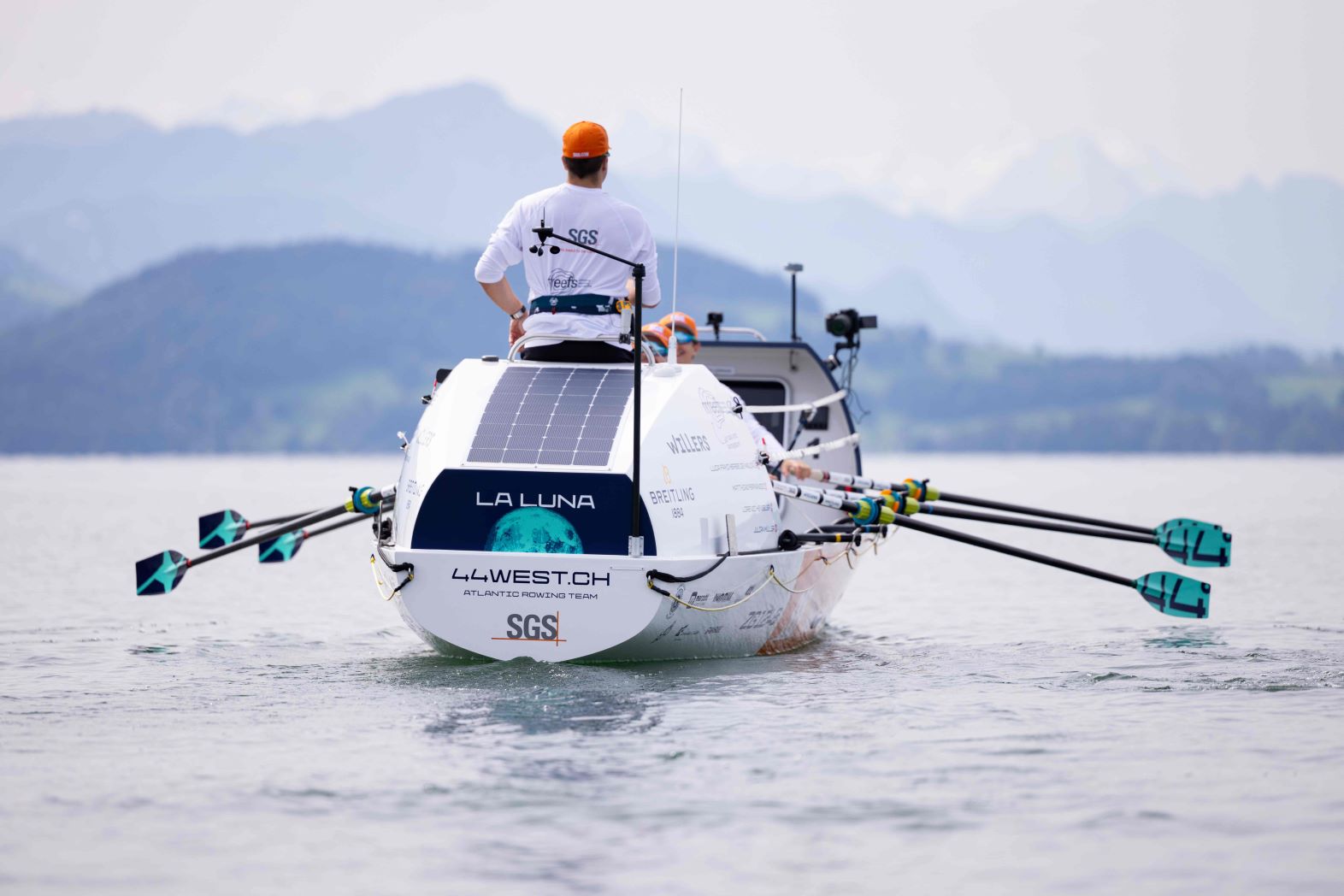
This partnership aims to rigorously verify and certify the UV-protective capabilities of 44west’s specialized apparel, ensuring athletes are shielded from the harsh solar radiation encountered during their arduous journey across the Atlantic Ocean. This initiative underscores a commitment to athlete safety and performance, particularly in environments where prolonged exposure to the sun poses significant health risks.
The Atlantic rowing challenge is not for the faint of heart. Competitors face relentless waves, unpredictable weather, and an unyielding sun for weeks, sometimes months, on end. The intensity of the sun’s ultraviolet (UV) radiation at sea, far from any land-based shielding, can be extreme. Prolonged exposure can lead to severe sunburn, premature skin aging, and significantly increase the risk of skin cancer. Therefore, the efficacy of UV-protective clothing is not merely a comfort feature but a critical safety requirement.
The Science Behind UV Protection in Apparel
UV radiation from the sun consists of three types: UVA, UVB, and UVC. While UVC is largely absorbed by the Earth’s atmosphere, UVA and UVB rays can penetrate the skin, causing damage. UVA rays penetrate deeper, contributing to skin aging, while UVB rays are primarily responsible for sunburn and play a significant role in skin cancer development.
Apparel can protect against UV radiation through several mechanisms:
- Fiber Type and Weave: Tightly woven fabrics with finer fibers offer better protection than loosely woven ones. Synthetic fibers like polyester and nylon generally offer higher UPF ratings than natural fibers like cotton, especially when wet.
- Color: Darker colors absorb more UV radiation than lighter colors, thus offering better protection.
- Fabric Weight and Stretch: Heavier fabrics tend to block more UV rays. However, stretching a fabric can reduce its UPF rating by widening the gaps between the fibers.
- Finishes and Treatments: Some fabrics are treated with UV-absorbing chemicals, which can significantly enhance their UPF rating.
The effectiveness of UV-protective clothing is measured using the Ultraviolet Protection Factor (UPF). This rating system is similar to the Sun Protection Factor (SPF) used for sunscreens. A UPF rating indicates what fraction of UV radiation is blocked by the fabric. For example, a garment with a UPF of 50 allows only 1/50th of the UV radiation to pass through it. A UPF of 40-50+ is considered excellent protection, blocking more than 97.5% of UV rays. The International Ultraviolet Protection Standards, such as those developed by the American Society for Testing and Materials (ASTM), provide standardized methods for testing and rating UPF.
The 44west and SGS Collaboration: A Commitment to Excellence
44west’s decision to partner with SGS for the verification of their apparel is a testament to their unwavering commitment to athlete well-being. SGS operates a global network of state-of-the-art laboratories equipped with sophisticated equipment to perform rigorous testing according to international standards. Their expertise in textile testing and certification is globally recognized, making them an ideal partner for such a critical validation process.
The collaboration will involve SGS conducting comprehensive tests on 44west’s apparel designed for the Atlantic rowing challenge. These tests will assess the fabric’s ability to block both UVA and UVB radiation, ensuring it meets or exceeds the highest standards for UV protection. The verification process will likely include:
- Spectrophotometric Analysis: Measuring the amount of UV radiation transmitted through the fabric.
- Assessment of Fabric Properties: Evaluating factors like weave density, fiber type, and colorfastness under various conditions, including exposure to saltwater and prolonged use.
- Durability Testing: Simulating the extreme wear and tear expected during an Atlantic crossing to ensure the UV protection remains effective throughout the challenge.
“The Atlantic rowing challenge represents one of the most extreme environments an athlete can face,” said [Name and Title at 44west, e.g., Jane Doe, Head of Product Development at 44west]. “Our athletes’ safety and performance are our absolute top priorities. Partnering with SGS, a globally trusted authority in testing and certification, allows us to provide undeniable assurance that our apparel offers the highest level of UV protection. This verification is not just a mark of quality; it’s a critical component of our athletes’ survival and success.”
SGS’s role extends beyond simple testing. They will provide a formal certification that attests to the UPF rating of the apparel, offering a scientifically validated benchmark that athletes and organizers can rely on. This transparency is crucial in high-stakes sporting events where equipment failure or inadequacy can have severe consequences.
Why is This Verification Crucial for Rowers?
Rowing across an ocean is an endurance test unlike any other. Participants spend hours each day exposed to direct sunlight, often with little or no shade. The reflective properties of water can intensify UV exposure, making the risk even greater.
- Prolonged Exposure: Rowers are at sea for extended periods, meaning continuous exposure to UV radiation. Even on cloudy days, up to 80% of UV rays can penetrate cloud cover.
- Water Reflection: The ocean’s surface acts like a mirror, reflecting UV rays and increasing the total exposure an athlete receives. This phenomenon is similar to how snow can intensify UV exposure at high altitudes.
- Physical Exertion and Dehydration: Intense physical activity can exacerbate the effects of sun exposure. Dehydration, a constant risk for rowers, can also make the skin more vulnerable to sun damage.
- Immersion in Saltwater: The constant exposure to saltwater can affect the integrity and performance of some fabrics. It’s essential that the UV protection is maintained even when the apparel is wet and exposed to saline conditions.
The verification by SGS will provide rowers with confidence that their 44west apparel will consistently offer reliable protection, allowing them to focus on their rowing performance without the added worry of severe sunburn or long-term skin damage. This is particularly important for athletes who may not have access to frequent reapplication of sunscreen due to the nature of their activity.
The Rigors of the Atlantic Rowing Challenge
The Atlantic rowing challenge, often considered one of the toughest challenges on Earth, involves rowing thousands of miles across the Atlantic Ocean. The most common routes include the ‘R2AK’ (Race to Alaska, though not Atlantic), the ‘Talent Transatlantic Race’, and the ‘Ocean Rowing Society’s’ sponsored events, which have seen individuals and crews row from places like La Gomera in the Canary Islands to Antigua in the Caribbean.
Challenges faced by Atlantic rowers include:
- Extreme Weather: Rowers can encounter storms, massive waves, and hurricane-force winds, alongside periods of dead calm that make progress agonizingly slow.
- Isolation and Mental Fortitude: The sheer scale of the ocean and the prolonged isolation test an athlete’s mental resilience to its core.
- Physical Demands: Rowing for 12-16 hours a day, seven days a week, places immense strain on the body. Muscle fatigue, blisters, and sleep deprivation are common.
- Navigation and Equipment: Precise navigation is critical, and all equipment, including clothing, must be incredibly robust and reliable.
In such a demanding environment, specialized gear is not a luxury; it’s a necessity. UV-protective apparel plays a vital role in ensuring the physical well-being of the rowers, preventing debilitating sunburn that can impair their ability to row and increasing their risk of heatstroke. For anyone interested in the physical and mental demands of such challenges, resources like the National Center for Biotechnology Information (NCBI) offer studies on the physiological and psychological aspects of extreme endurance events.
44west’s Commitment to Innovation and Athlete Welfare
44west has built its reputation on developing high-performance athletic wear that addresses the unique challenges faced by athletes in demanding environments. Their focus on integrating advanced material science with practical design ensures that their products not only perform exceptionally but also enhance athlete safety and comfort.
The decision to pursue SGS verification for their Atlantic rowing apparel highlights a proactive approach to risk management and product assurance. By engaging an independent, third-party expert like SGS, 44west is demonstrating a commitment that goes beyond self-assessment. This level of due diligence is increasingly important for brands seeking to establish trust and credibility in the competitive performance apparel market.
The verification process will ensure that the specific technologies and materials used by 44west in their UV-protective gear are rigorously validated. This might include proprietary fabric blends, specialized weaves, or innovative finishing treatments designed to maximize UV blocking while maintaining breathability, moisture-wicking properties, and durability – all essential attributes for extreme endurance athletes.
The Role of Certification in Performance Apparel
Certification from a reputable body like SGS provides several key benefits:
- Credibility and Trust: It offers athletes, organizers, and consumers an independent, unbiased assurance of the product’s claims.
- Performance Benchmarking: It establishes a clear, measurable standard for UV protection, allowing athletes to compare different products based on scientific data.
- Risk Mitigation: For athletes undertaking extreme challenges, certified gear reduces the risk of equipment failure or inadequacy, which could have serious health implications.
- Marketing and Brand Reputation: For brands like 44west, certification enhances their reputation for quality and safety, differentiating them in the marketplace.
The Federal Trade Commission (FTC) in the United States provides guidance on making accurate advertising claims for sun protection products, emphasizing the importance of substantiating such claims with reliable scientific evidence. Partnerships with certification bodies like SGS align with these principles, ensuring that marketing claims are transparent and verifiable.
Future Implications for Endurance Sportswear
The collaboration between 44west and SGS sets a significant precedent for the broader endurance sports industry. As athletes continue to push the boundaries in increasingly challenging environments – from the highest mountains to the deepest oceans – the demand for scientifically validated performance and safety gear will only grow.
This partnership signals a trend towards greater transparency and rigorous scientific validation in the development of specialized athletic apparel. Brands that invest in independent testing and certification will likely gain a competitive edge, building stronger relationships with athletes and event organizers who prioritize safety and proven performance.
Furthermore, the data generated from these stringent tests can feed back into the product development cycle, allowing companies like 44west to continuously innovate and improve their offerings. Understanding precisely how fabrics perform under extreme conditions, including prolonged UV exposure, saltwater immersion, and mechanical stress, is invaluable for creating the next generation of high-performance sportswear.
The insights gained from this collaboration could also influence future standards for UV-protective apparel, particularly for applications in extreme maritime environments. By working with a leading certification body, 44west is contributing to the advancement of knowledge and best practices in the field of athletic wear technology.
Conclusion
The partnership between 44west and SGS for the verification of UV-protective apparel for the Atlantic rowing challenge is a crucial development in athlete safety and performance. By leveraging SGS’s global expertise in testing and certification, 44west is providing unequivocal assurance to its athletes that their gear offers the highest level of protection against the sun’s damaging UV rays. This initiative not only safeguards the health and well-being of the rowers undertaking this monumental challenge but also underscores the growing importance of scientific validation in the realm of high-performance sportswear.
As endurance sports continue to evolve and athletes venture into more extreme environments, collaborations like this will be instrumental in ensuring they are equipped with the safest, most reliable gear possible, allowing them to focus on achieving their extraordinary goals. The commitment shown by both 44west and SGS sets a high standard for the entire industry, emphasizing that in the pursuit of peak performance, safety and scientific integrity must always come first.
FAQ
What is UPF and why is it important for rowers?
UPF stands for Ultraviolet Protection Factor. It’s a rating system that measures how much ultraviolet (UV) radiation a fabric blocks. A UPF rating of 50, for example, means the fabric allows only 1/50th of the UV radiation to pass through it. For rowers, who spend many hours exposed to intense sun and reflective water, UPF is critical. It helps prevent severe sunburn, reduces the risk of long-term skin damage like premature aging and skin cancer, and allows them to focus on their rowing performance without constant worry about sun exposure.
How does SGS verify the UV protection of apparel?
SGS uses sophisticated laboratory equipment and standardized testing methods, often based on international standards like those from ASTM or ISO. They measure the amount of UVA and UVB radiation that is transmitted through a fabric sample. This involves using spectrophotometers to analyze the fabric’s light absorption and transmission properties. SGS also assesses how factors like fabric construction, color, and stretching might affect the UPF rating, and may conduct tests to ensure the protection remains effective even after exposure to elements like saltwater or repeated washing.
What are the main risks of UV exposure during an Atlantic rowing challenge?
The primary risks of UV exposure during an Atlantic rowing challenge include severe sunburn, which can be debilitating and increase the risk of heatstroke. Long-term risks include premature skin aging (wrinkles, sunspots) and a significantly increased risk of developing skin cancer. The reflective nature of the ocean’s surface intensifies UV exposure, making these risks even greater than on land.
What makes 44west’s apparel suitable for extreme conditions like the Atlantic?
44west focuses on using advanced materials and innovative designs tailored for high-performance athletes in extreme environments. For the Atlantic rowing challenge, this means their apparel likely incorporates fabrics that are not only highly effective at blocking UV radiation but are also durable, breathable, quick-drying, and resistant to saltwater damage. The collaboration with SGS ensures that these protective qualities are scientifically validated.
Besides UV protection, what other features are important in apparel for an Atlantic rowing challenge?
Other critical features include excellent moisture-wicking capabilities to keep the rower dry and comfortable, breathability to manage body heat and prevent overheating, durability to withstand constant friction and wear, quick-drying properties, and a comfortable fit that allows for a full range of motion without chafing. Seam construction and overall garment design also play a role in preventing irritation during prolonged periods of activity.
Discover: SGS at INDEX 2026: Hygiene Product Testing & Innovation in Geneva