

The visit highlighted MTM’s efforts to advance regenerative cotton through farmer engagement, biodiversity and practical learning, reinforcing the importance of collaboration across the textile value chain.
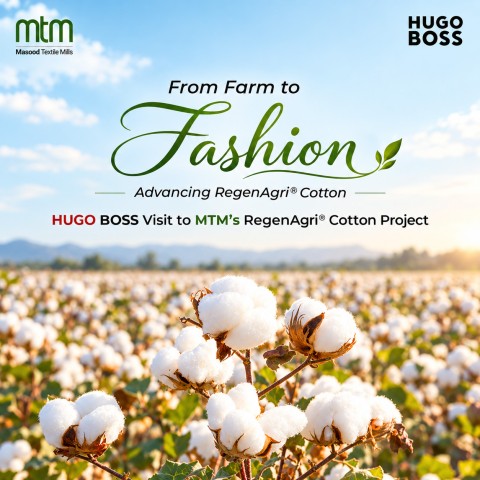
A more sustainable cotton value chain begins with the people who grow it. Masood Textile Mills Limited (MTM) welcomed representatives from HUGO BOSS to its Village Learning Center for an on-the-ground look at the people, practices and partnerships advancing regenerative cotton in Pakistan.
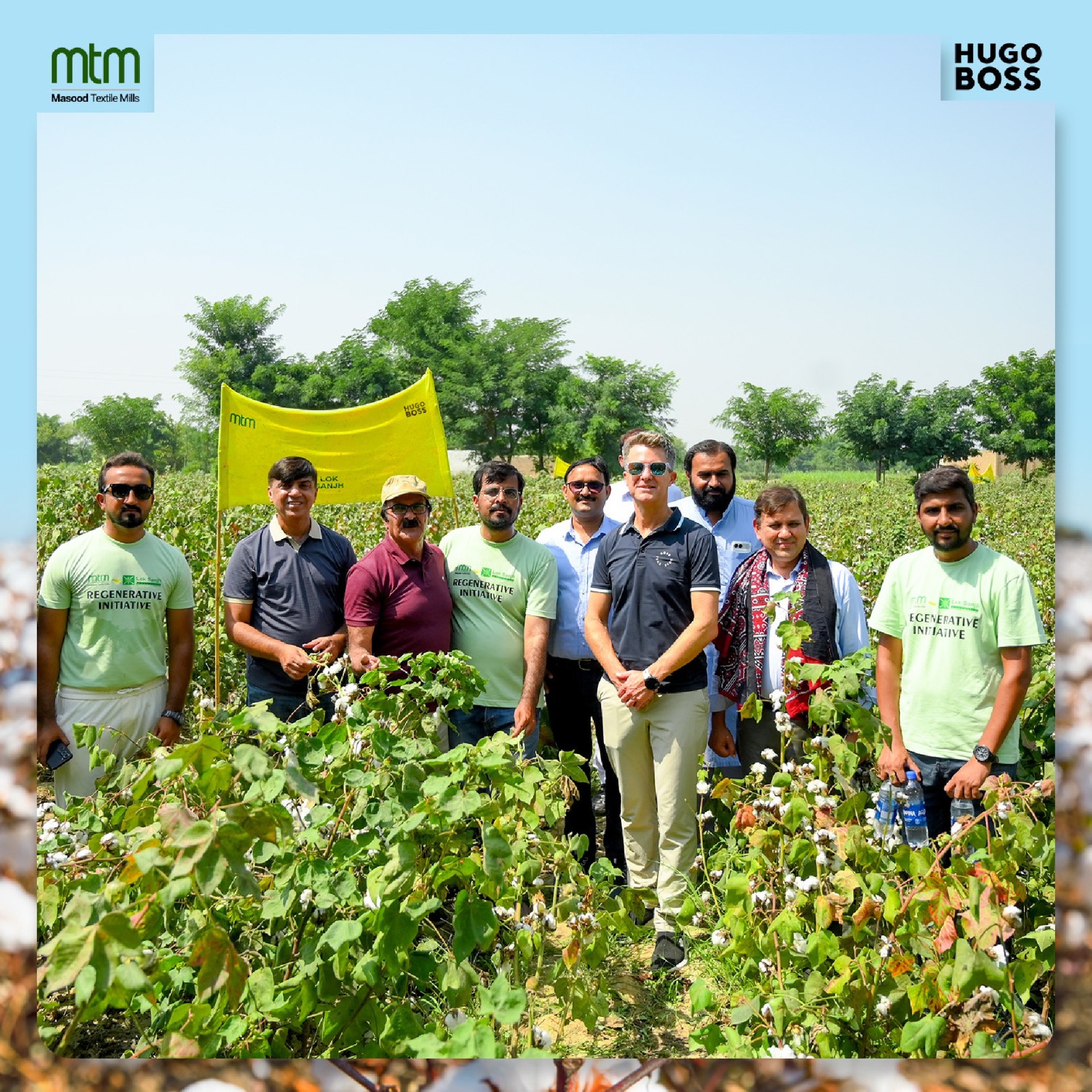
The visiting delegation included Johann de Jager, Vice President of Product Excellence for Jersey at HUGO BOSS, and Luis Gonzaga, Senior Vice President of Leisurewear and Global Sourcing Director at HUGO BOSS.
The visit provided an opportunity to explore how regenerative farming practices, biodiversity initiatives and farmer education contribute to MTM’s efforts to build a more sustainable cotton value chain.
Bringing Regenerative Cotton to Life
At MTM’s Village Learning Center, the delegation explored three interconnected areas of progress: regenerative farming practices, biodiversity and farmer learning.
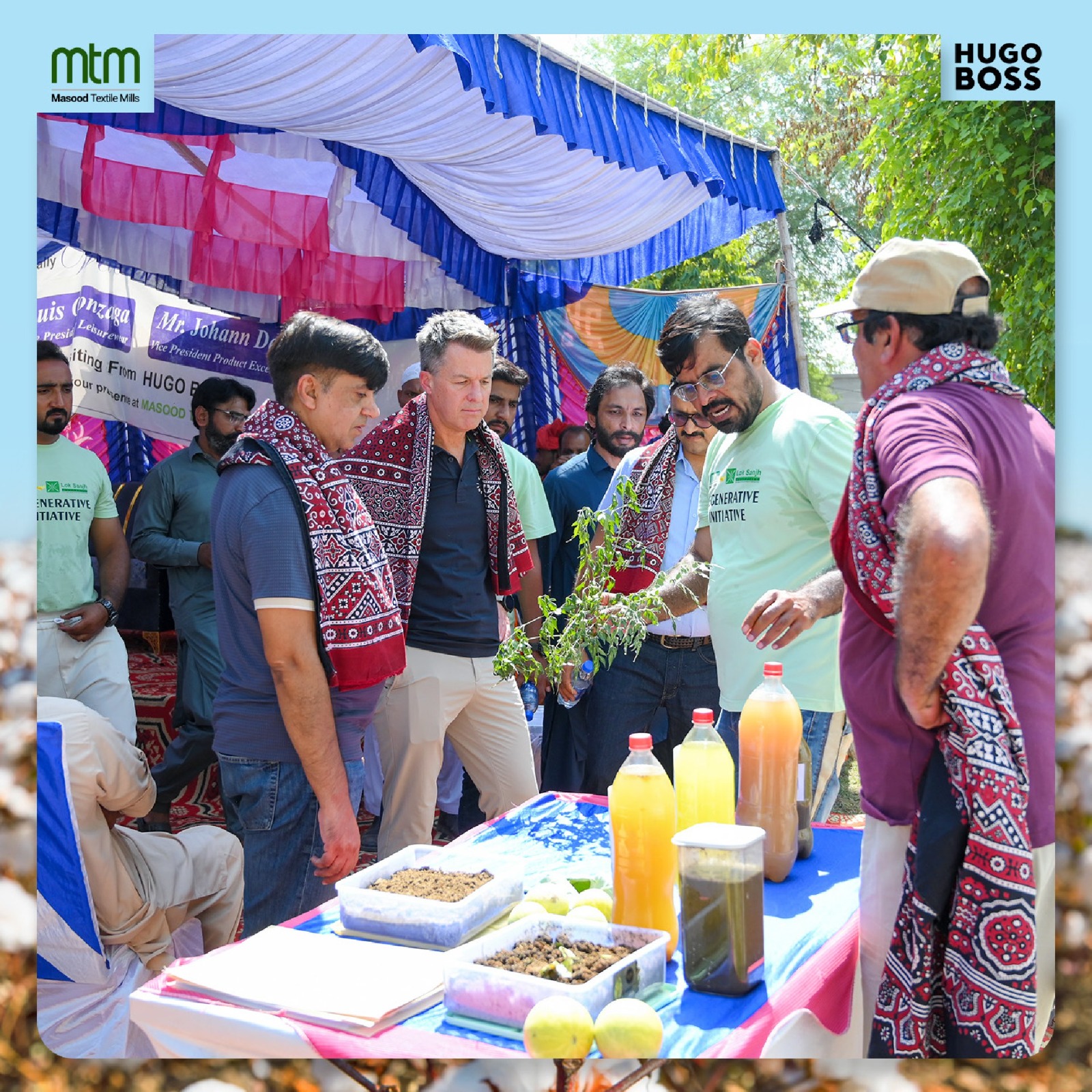
Demonstrations of fermenters, vermicomposting and other practical approaches highlighted techniques that support healthier soils and more resilient farms. A native plant nursery showcased efforts to restore and strengthen local ecosystems, while farmer-to-farmer knowledge sharing illustrated how regenerative principles can be translated into practical action in the field.
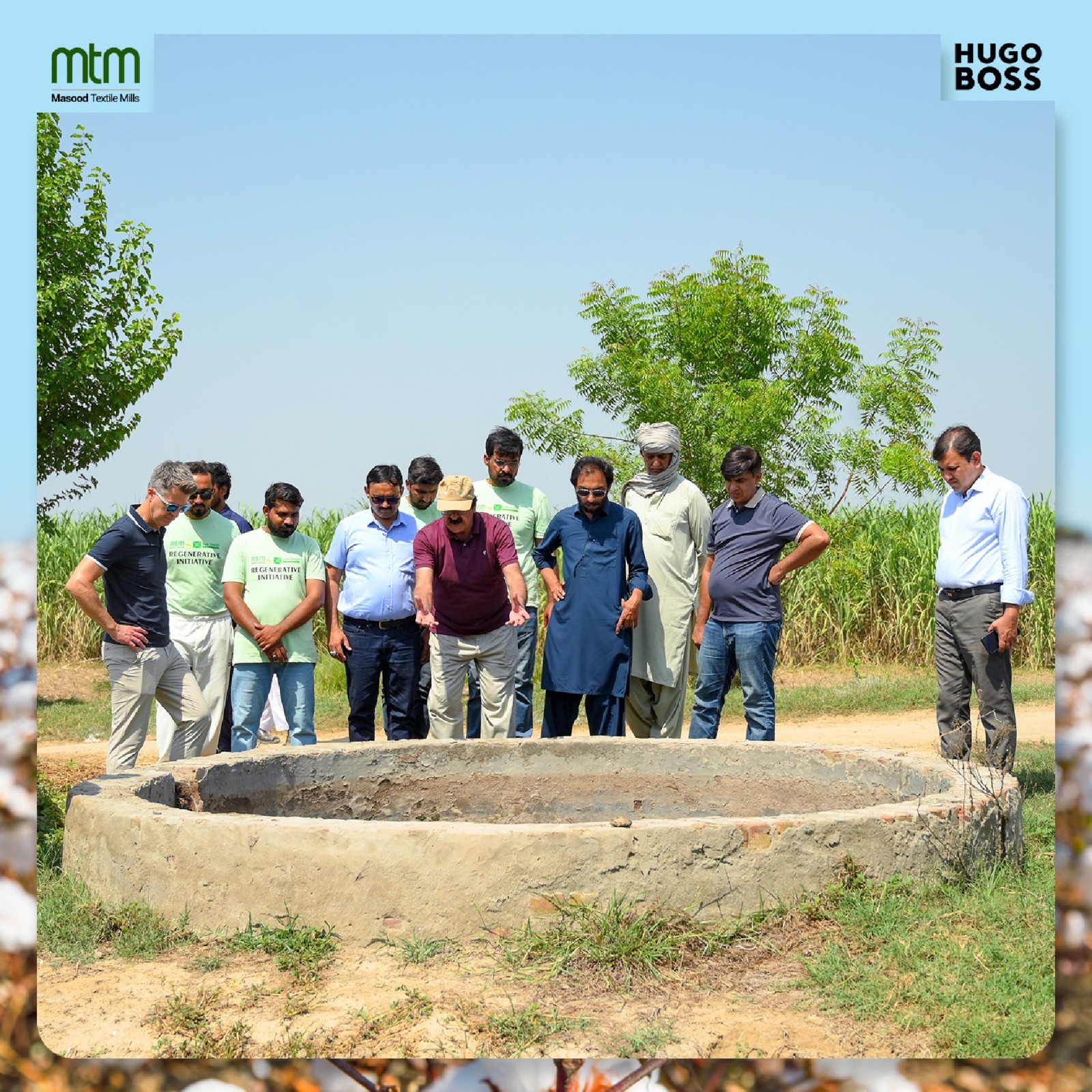
Field discussions, hands-on planting activities and a closer look at cotton connected these initiatives to the everyday realities of farming communities. The visit also celebrated the warmth of local hospitality, including a traditional equestrian performance reflecting the community’s rich cultural heritage.
Building a Regenerative Cotton Supply Chain
MTM’s work in regenerative cotton is part of its broader commitment to responsible sourcing and sustainable textile production. Recognizing cotton as a cornerstone of its high-quality garments, the company is working to strengthen the connection between agricultural practices, cotton quality and environmental responsibility.
As part of this commitment, MTM partnered with Lok Sanjh Foundation (LSF), a nonprofit organization working with rural communities, particularly women farmers in Pakistan, under the Regenerative Cotton Supply Chain 2024–25 initiative.
The partnership was designed to establish a regenerative cotton supply chain in Layyah and Haroonabad, Punjab, through farmer training, technical guidance and support for the adoption of regenerative agricultural practices.
The initiative includes support for access to farmyard manure, natural mineral fertilizers and bio-pesticides, alongside soil testing, tailored nutrient management plans and farmer-to-farmer exchanges. It also outlines support for farm recordkeeping and the regenerative cotton certification process, helping farmers develop the knowledge and practices needed to participate in a more sustainable cotton supply chain.
Advancing Responsible Sourcing Through Verified Progress
MTM’s regenerative cotton initiatives also contribute to its broader efforts to strengthen responsible sourcing and traceability across the textile value chain.
In an earlier announcement, MTM shared that its Regenerative Cotton Project had received direct approval from HUGO BOSS for meeting Level 2 of the RegenAgri® criteria. According to MTM, this milestone reflects its efforts to advance soil health, restore biodiversity, strengthen traceability and maintain transparent, verifiable data systems throughout the cotton supply chain.
The announcement highlights the importance of collaboration between textile manufacturers, global brands and farming communities in advancing responsible sourcing. By connecting agricultural practices with greater supply chain transparency, MTM aims to support the development of regenerative materials aligned with sustainability priorities in the global fashion industry.
Practical Practices, Lasting Impact
Regenerative cotton farming takes a holistic approach to cultivation, focusing on soil health, biodiversity, water retention and the wider ecosystem. Practices such as cover cropping, crop rotation, minimum tillage and the application of organic matter can help improve soil structure, maintain fertility and support more resilient agricultural systems.
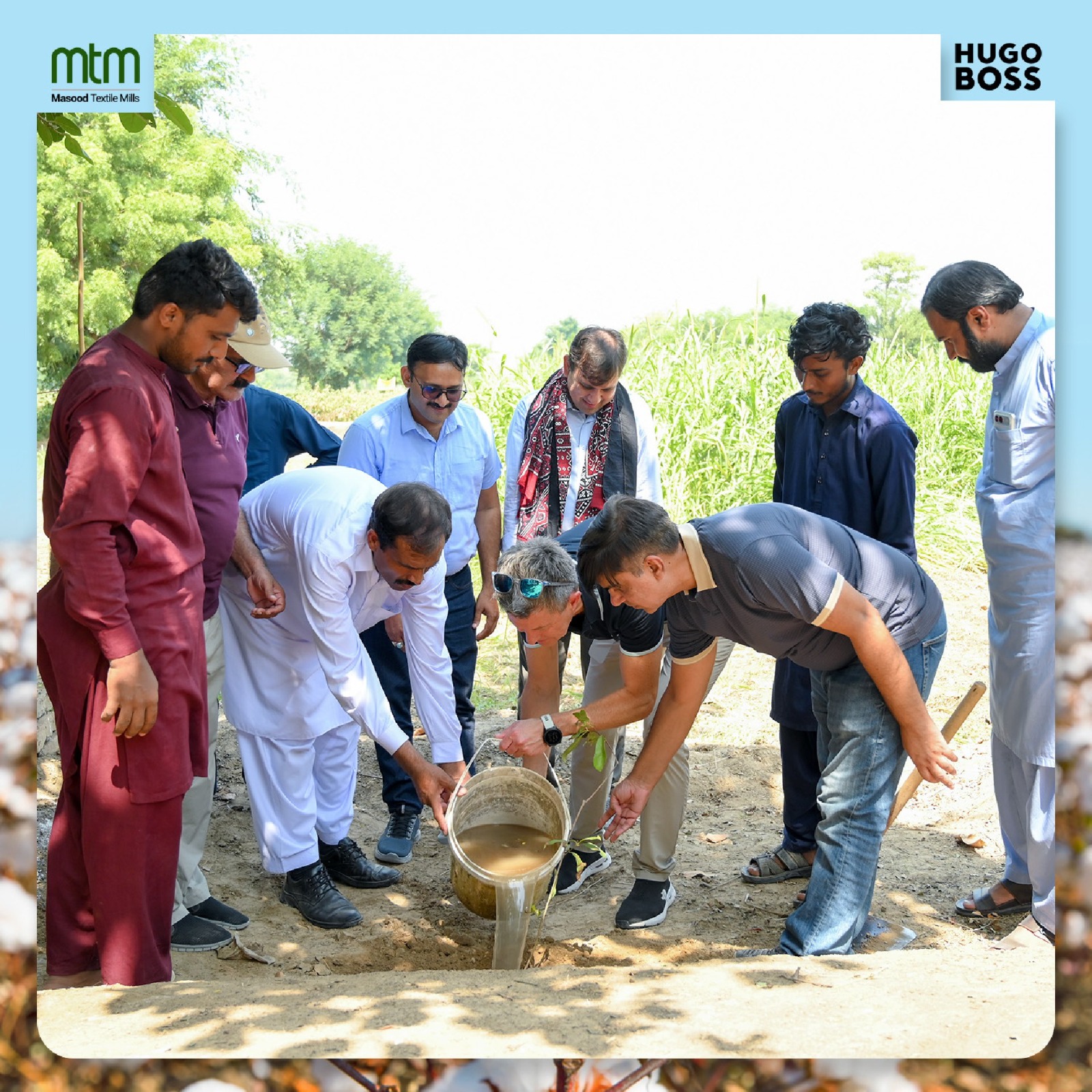
Through farmer engagement and learning initiatives, MTM aims to help growers build the knowledge and skills needed to put these practices into action. This approach recognizes that the long-term sustainability of cotton depends not only on production methods, but also on the people, resources and partnerships that make lasting change possible.
Collaboration Across the Value Chain
The visit by HUGO BOSS representatives offered an opportunity to see these efforts in practice and engage with the farming communities contributing to the regenerative cotton journey.
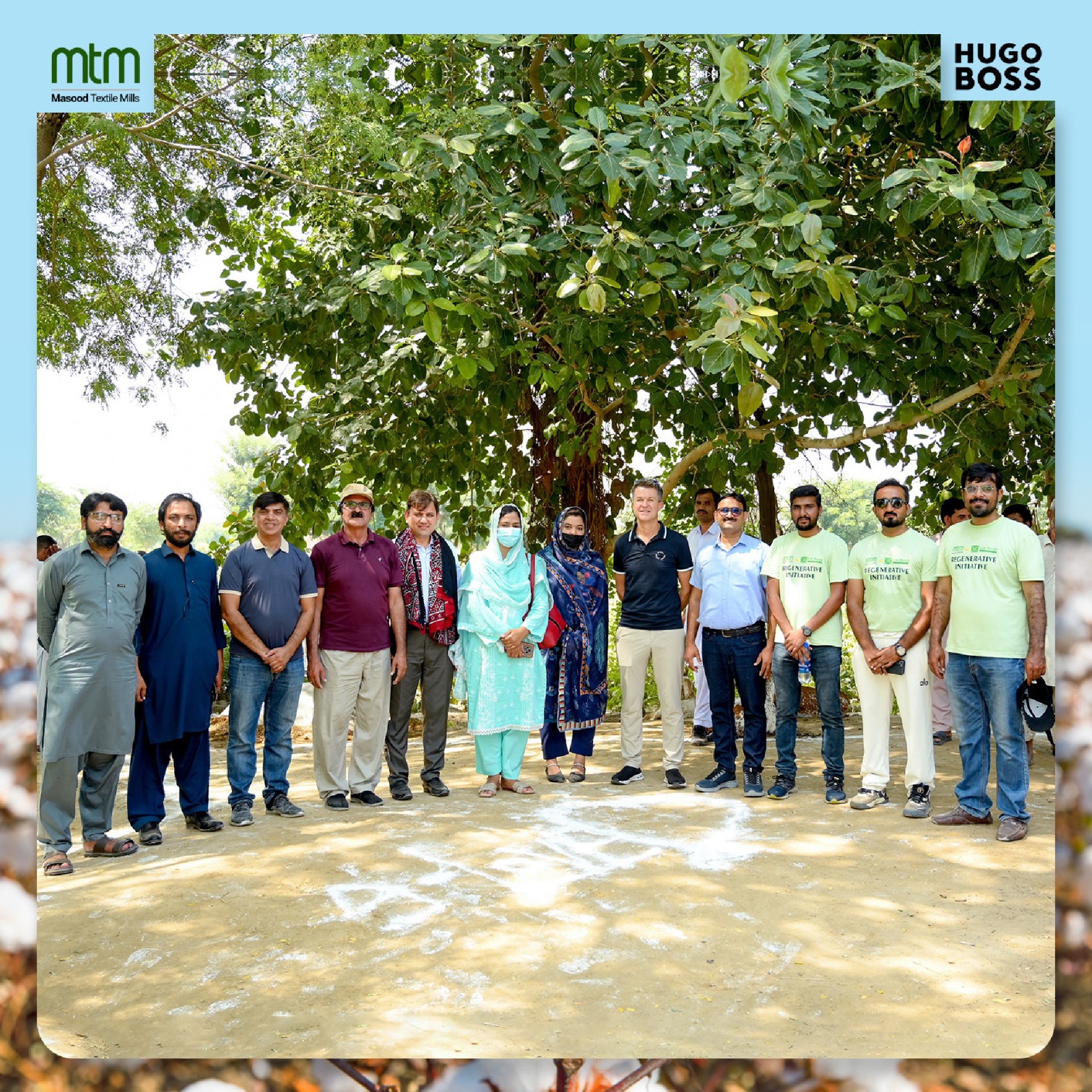
MTM welcomed the delegation’s interest in its initiatives and acknowledged the dedication of the farmers working to advance more sustainable agricultural practices.
Through continued collaboration, practical learning and community engagement, MTM remains committed to advancing regenerative cotton practices that support farmers, strengthen ecosystems and contribute to a more sustainable textile value chain.
Discover: Pakistani textile companies to participate in Shanghai exhibition